If your mind won’t slow down…
If thoughts feel loud, distressing, or impossible to ignore…
You Are not alone
Find clarity, confidence, and relief from anxious & intrusive thoughts
Prolonged Exposure (PE) Therapy
If you've searched for "what is prolonged exposure therapy" or "PTSD treatment near me," you may already be carrying a fear that talking about what happened will make things worse, or that you'll be stuck reliving the memory indefinitely without it ever actually getting easier. Prolonged Exposure, or PE, was built specifically to address that fear, and it remains one of the most extensively researched, most effective treatments available for PTSD and trauma-related anxiety.
At Still Minds Psychology, PE is the specialized approach we turn to when trauma is at the center of what someone is struggling with, whether that trauma happened once or unfolded over years.
What Is Prolonged Exposure Therapy?
PE is a structured, evidence-based form of exposure therapy developed specifically for PTSD. It's built on a well-supported idea: trauma symptoms are often maintained not by the traumatic event itself, but by the avoidance that develops afterward, avoidance of memories, of certain places or people, of emotions, of talking about what happened. That avoidance offers short-term relief but keeps the memory "stuck," unprocessed, and just as capable of triggering fear years later as it was the day it happened.
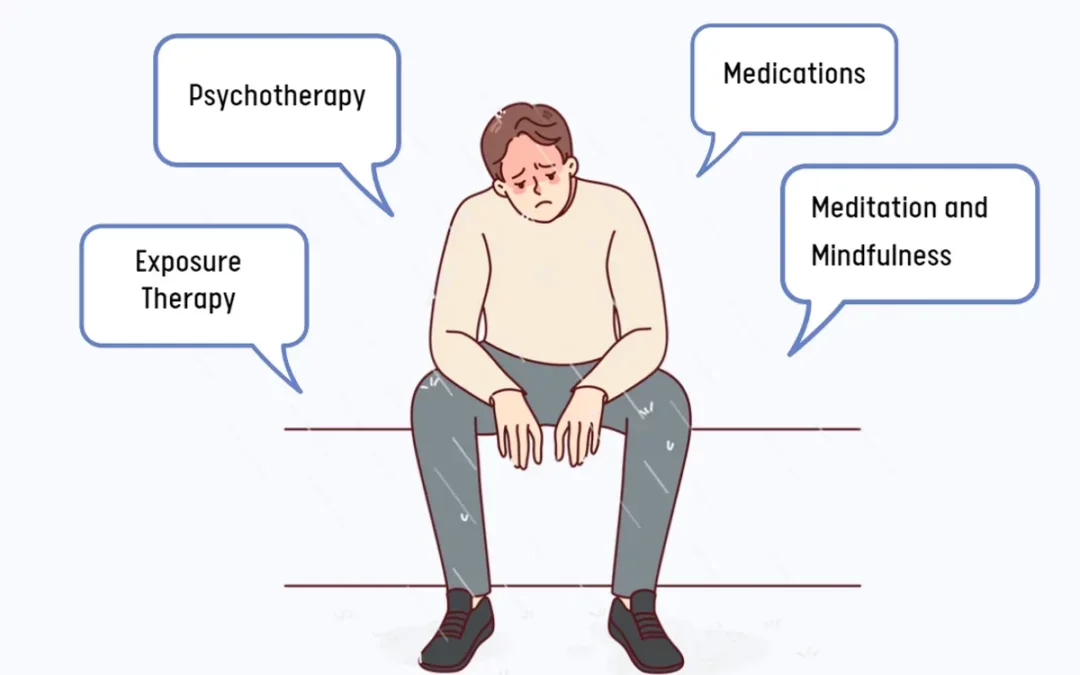
Treatment typically involves two core components. The first is imaginal exposure, revisiting the trauma memory out loud, in a controlled and supported way, during session, which allows the memory to be processed rather than pushed away. The second is in vivo exposure, gradually and deliberately approaching real-world situations, places, or activities that have been avoided since the trauma, even when they no longer pose any real danger. Together, these components help the brain recognize that the memory can be revisited without it being relived, and that many trauma-related triggers, while distressing, are not actually dangerous in the present.
PE does not involve reliving the trauma indefinitely or "flooding" you with fear. Sessions are structured, paced, and collaborative, and you have far more control over the process than the phrase "reliving the memory" might suggest.
PE for PTSD
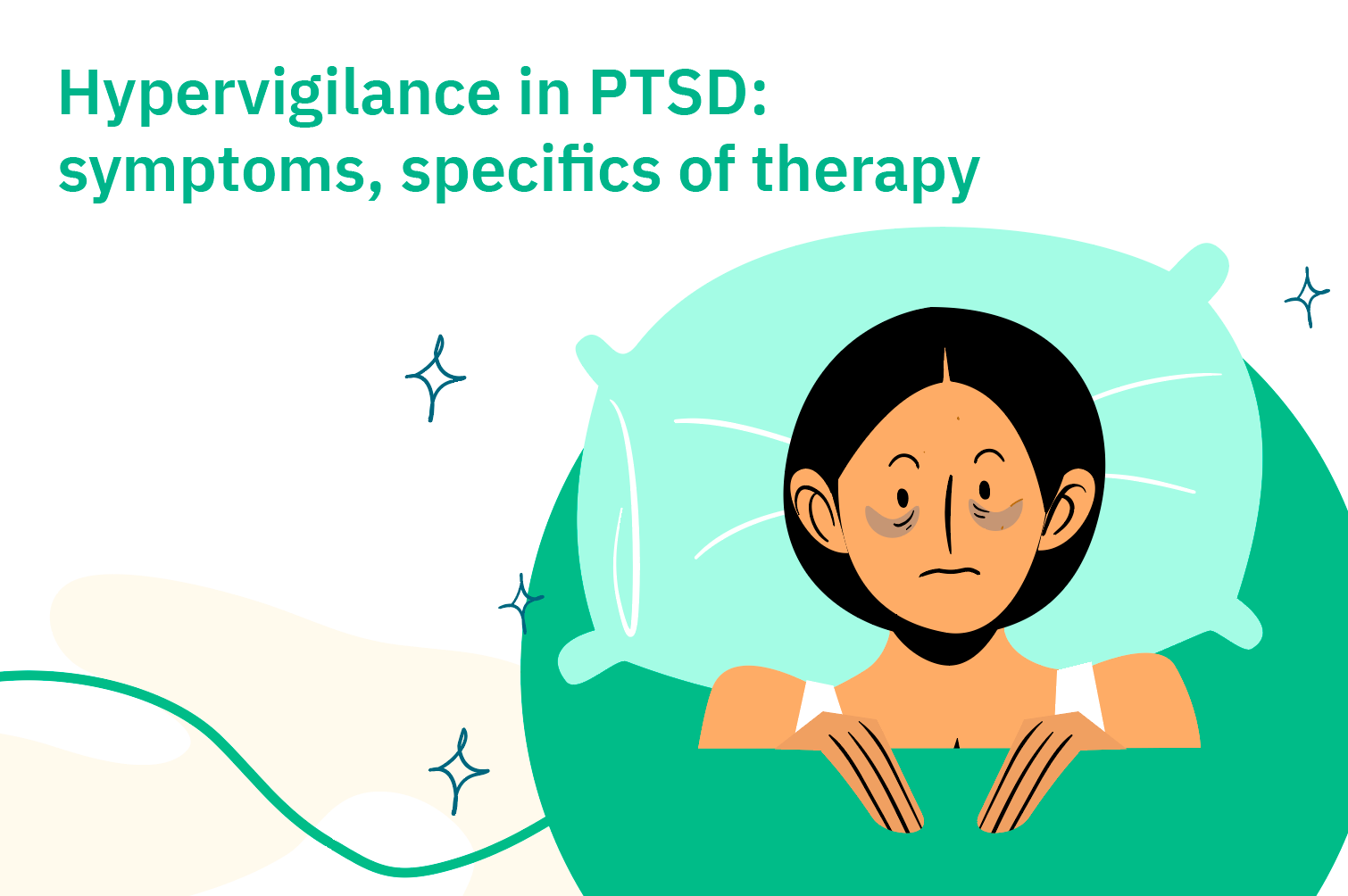
PTSD develops when a traumatic memory doesn't get fully processed, leaving the brain stuck treating the past event as an ongoing threat. This shows up as intrusive memories or flashbacks, nightmares, hypervigilance, a heightened startle response, and persistent avoidance of anything connected to the trauma. PE directly targets this by helping the memory move from something that feels like it's still happening to something that is understood as having happened, reducing both the intensity and frequency of intrusive symptoms over the course of treatment.
PE for Combat and Military Trauma
Combat-related PTSD often involves a complex mix of specific traumatic memories, chronic hypervigilance, and significant avoidance of reminders, crowds, loud noises, certain places, that can make daily civilian life feel unmanageable. PE has one of the strongest evidence bases of any treatment for combat-related PTSD, and the structured, goal-oriented nature of the approach is often a good fit for clients who want a clear, direct path through treatment rather than an open-ended process.
PE for Sexual Assault and Interpersonal Trauma
Trauma from sexual assault or other interpersonal violence frequently comes with intense shame, self-blame, and avoidance that can extend into relationships, intimacy, and trust more broadly. PE creates a paced, supported space to process the memory directly, while in vivo exposure helps rebuild a sense of safety in situations that trauma has made to feel threatening, without minimizing what happened or rushing the process.
PE for Childhood Trauma
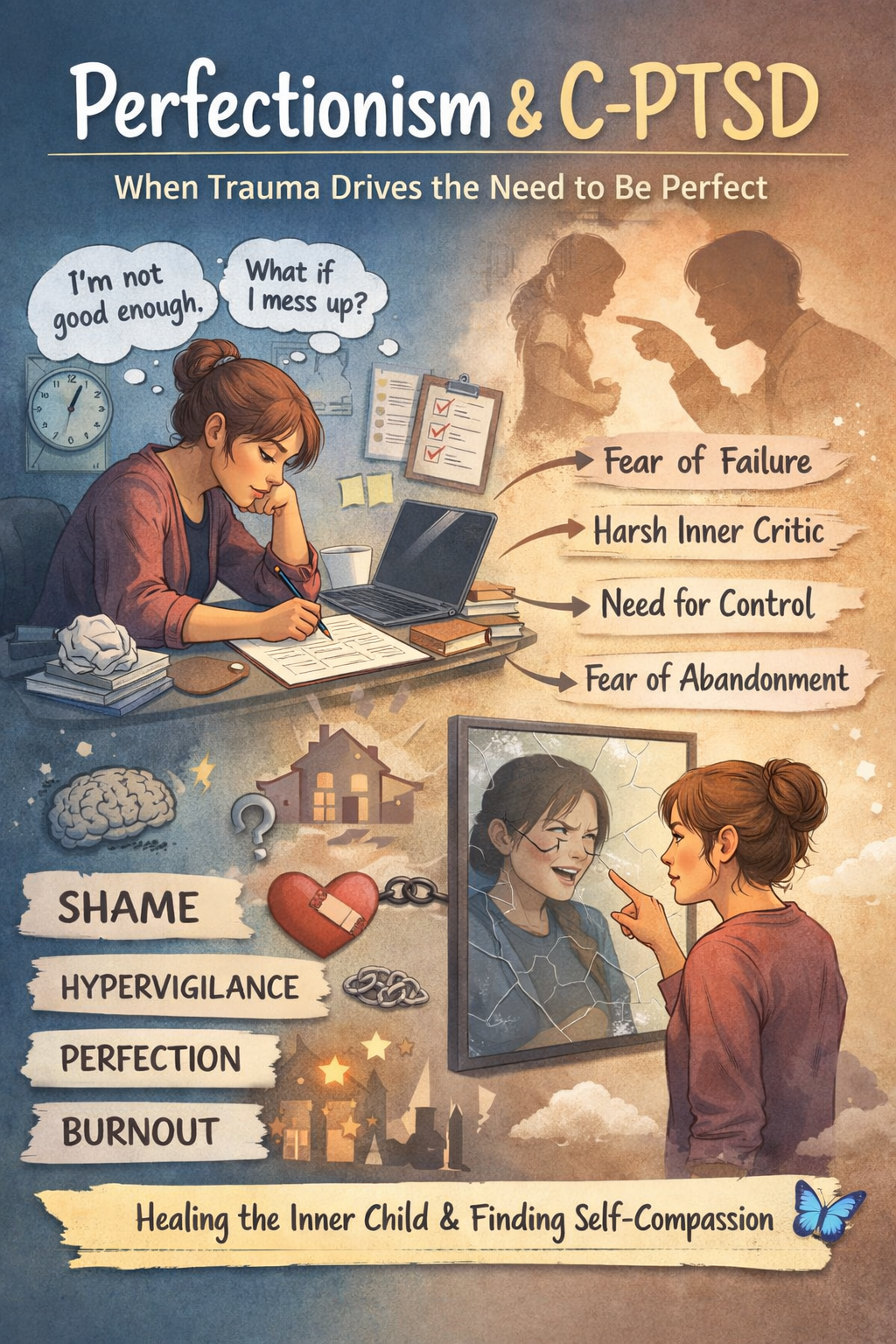
Childhood trauma, including abuse, neglect, or growing up in a chronically unsafe environment, can shape anxiety, relationships, and self-worth well into adulthood, often in ways that don't initially seem connected to what happened years earlier. PE can be adapted to help adult clients process specific traumatic memories from childhood, reducing the way those memories continue to drive present-day avoidance, hypervigilance, or emotional reactivity.
PE for Religious Trauma
Religious trauma, whether from a specific harmful experience within a faith community or from a broader pattern of fear-based teaching, can leave lasting anxiety, guilt, and avoidance that don't resolve on their own. PE can help process specific traumatic memories connected to religious experiences, while treatment more broadly makes room for the complexity of these experiences without requiring any particular conclusion about faith itself.
What to Expect From PE Sessions at Still Minds Psychology
PE follows a clear, structured protocol, which many clients find reassuring after living with the uncertainty of unresolved trauma. Early sessions focus on psychoeducation, understanding how PTSD develops and why avoidance keeps it in place, along with breathing retraining to support emotional regulation throughout treatment. From there, we build an in vivo exposure hierarchy together, identifying avoided situations to approach gradually and deliberately. Imaginal exposure begins once you feel ready, revisiting the trauma memory in session at a pace that's collaborative, not forced, with real-time processing afterward to make sense of what came up. Homework between sessions, primarily continued in vivo exposure and listening to session recordings, is a core part of what makes PE effective, and your pace through the protocol is always shaped around what you can genuinely tolerate.
Frequently Asked Questions About PE Therapy
What does PE stand for in therapy?
PE stands for Prolonged Exposure, a structured, evidence-based treatment developed specifically for PTSD and trauma-related anxiety.
Does prolonged exposure therapy make PTSD worse before it gets better?
It's common for anxiety to rise temporarily as avoidance decreases and the trauma memory is processed directly, but this does not mean symptoms are worsening overall. Most clients see their PTSD symptoms decrease significantly over the course of treatment, and the temporary increase in distress is a well-documented, expected part of the process, not a sign that something has gone wrong.
How long does PE therapy take?
PE is typically delivered over roughly 8 to 15 sessions, depending on the complexity of the trauma and how treatment unfolds for each individual. It's a time-limited, structured protocol rather than open-ended therapy.
Do I have to talk about every detail of my trauma?
You have significant control over how imaginal exposure unfolds, and the process is always collaborative. You're never required to disclose more than you're ready to, and the pace is built around what you can tolerate while still making meaningful progress.
What is the difference between PE and EMDR?
Both are evidence-based treatments for PTSD, but they work differently. PE relies on directly revisiting and verbally processing the trauma memory alongside real-world exposure to avoided situations. EMDR uses bilateral stimulation, such as guided eye movements, while briefly focusing on the memory. Both have strong research support; the right fit often depends on personal preference and how a person responds to each approach.
Can PE help with trauma from a long time ago?
Yes. PE is effective for trauma regardless of how long ago it occurred. Many clients come to treatment years or even decades after a traumatic event, once avoidance has started to noticeably limit their life, and still see significant improvement.
Start PE Therapy in Florida, Texas, Vermont, South Carolina, or Idaho
Still Minds Psychology offers Prolonged Exposure therapy in person in Fort Lauderdale, FL, and via telehealth throughout Florida, Texas, Vermont, South Carolina, and Idaho. If trauma has been keeping you stuck in avoidance and hypervigilance, PE offers a structured, evidence-based path toward real relief.
Contact for Booking



Still Minds Psychology: Anxiety & OCD Therapy
2901 W Cypress Creek Rd Suite 114, Fort Lauderdale, FL 33309
Check Out Our latest Blog Posts Here