Phobia Therapy Ft. Lauderdale & Broward
Phobias can leave you feeling trapped and isolated. Even if you know it’s irrational, the distress can leave you feeling stuck in a cycle of avoidance
Overcoming a phobia is possible, work with an expert and reach out today
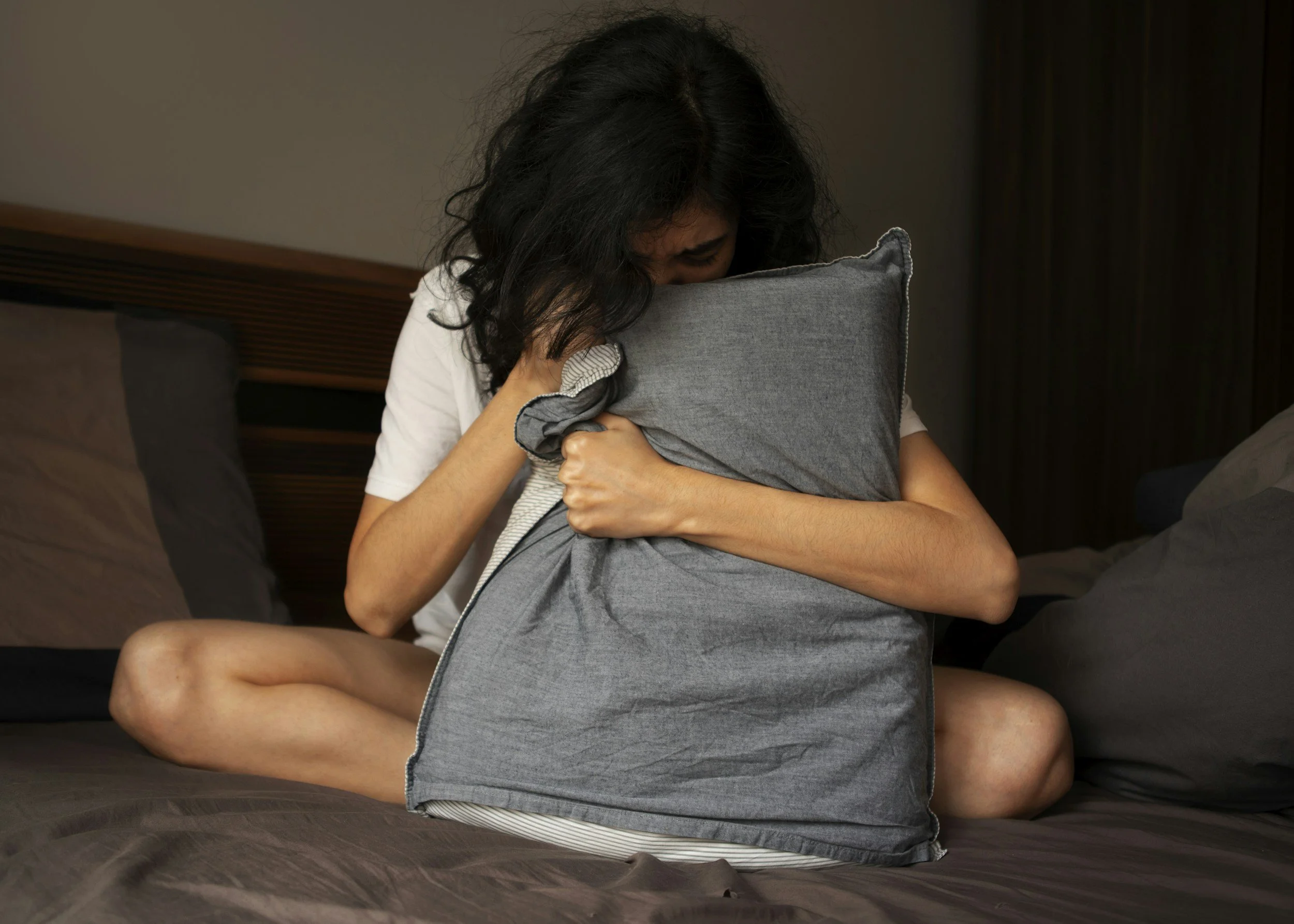
When you are struggling with a phobia, it can feel like your mind won’t let you rest. As phobias pull you further and further from your life, you may experience physical distress, such as feeling a weight on your chest making it hard to take a deep breath, tension in your neck or shoulders, heart palpitations, stomach issues, poor concentration, sleep problems, dizziness or maybe even full blown panic attacks. No matter how many deep breaths you take or how hard you try to distract yourself, the fear keeps coming back. To avoid these uncomfortable sensations, you may withdraw socially, attempt to avoid situations that trigger your fear. This can leave you feeling isolated and like your life is getting smaller.
If that sounds familiar, you’re not broken, and you’re not alone.
It doesn't have to be this way. Phobias are treatable, regardless of what your phobia is. Therapy can help you understand what’s happening in your mind and body, reduce the intensity of anxious spirals, and build steady confidence in your ability to face your fear.


meghan cromie is one of the leading Specialists, for phobias & exposure therapy in South Florida, and more.

Living with a phobia can feel isolating and limiting, especially when others don’t understand how intense the fear really is. You may know logically that the fear is “out of proportion,” yet your body reacts as if you’re in real danger. Over time, avoidance can quietly shrink your world, making everyday life feel harder than it should be.
At Still Minds Psychology, phobia therapy is compassionate, collaborative, and grounded in evidence-based care. You are not weak for having a phobia, and you are not stuck this way. With the right support, meaningful change is possible.
When a Phobia Is Taking Over, You Might Notice…
Strong fear or panic around specific situations, places, or sensations
Avoiding things others consider “normal” just to feel safe
Planning your day around escape routes, safety behaviors, or reassurance
Physical symptoms like nausea, dizziness, tight chest, or panic
Feeling embarrassed, frustrated, or ashamed about your fear
Worry that facing the fear will make it worse
If any of this fits, therapy can be a place where you feel safe. You might wonder if something is wrong with you, or why it feels so hard to function when everything “should” be fine.
The reality is, you’re far from alone. Phobias are very common, but do require individualized care. Phobias are not about willpower. They are learned fear responses, and learned responses can be unlearned. Phobias are highly treatable. You can learn to be yourself, and break out of cycles that are holding you back. We take an individualized approach to help you get lasting relief
Phobias are one of the most common types of anxiety disorders, characterized by an intense, irrational fear of specific objects, situations, or activities. While everyone experiences fear at times, phobias are overwhelming and disruptive, which causes you to go to great lengths to avoid feared object and situations. Fortunately, mental health therapy can be highly effective and I specialize in helping people overcome their fears.
Common types of phobias I have worked with include:
Arachnophobia: Fear of spiders
Fear of heights
Fear of dogs
Fear of Flying and airplane travel
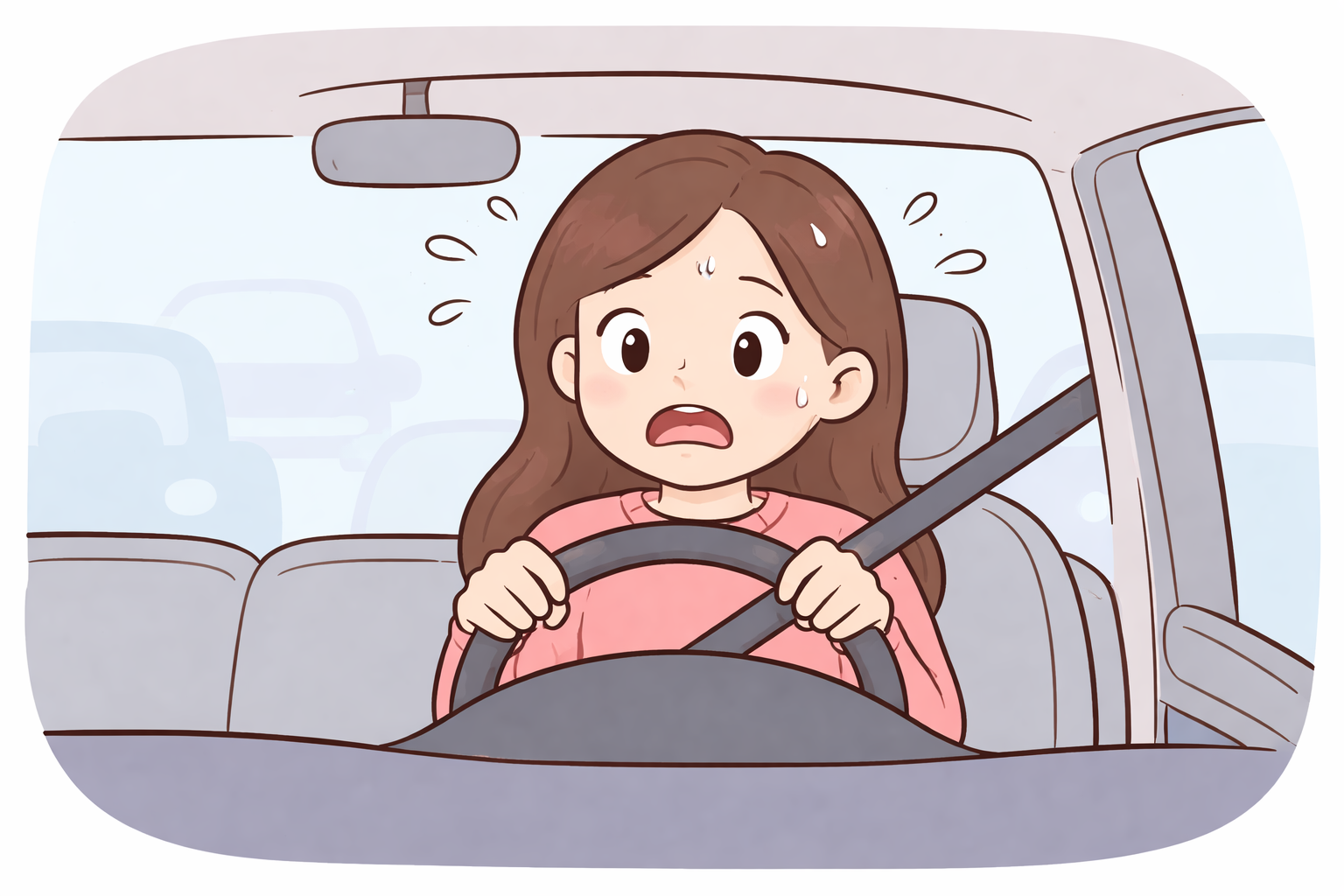
Driving phobias
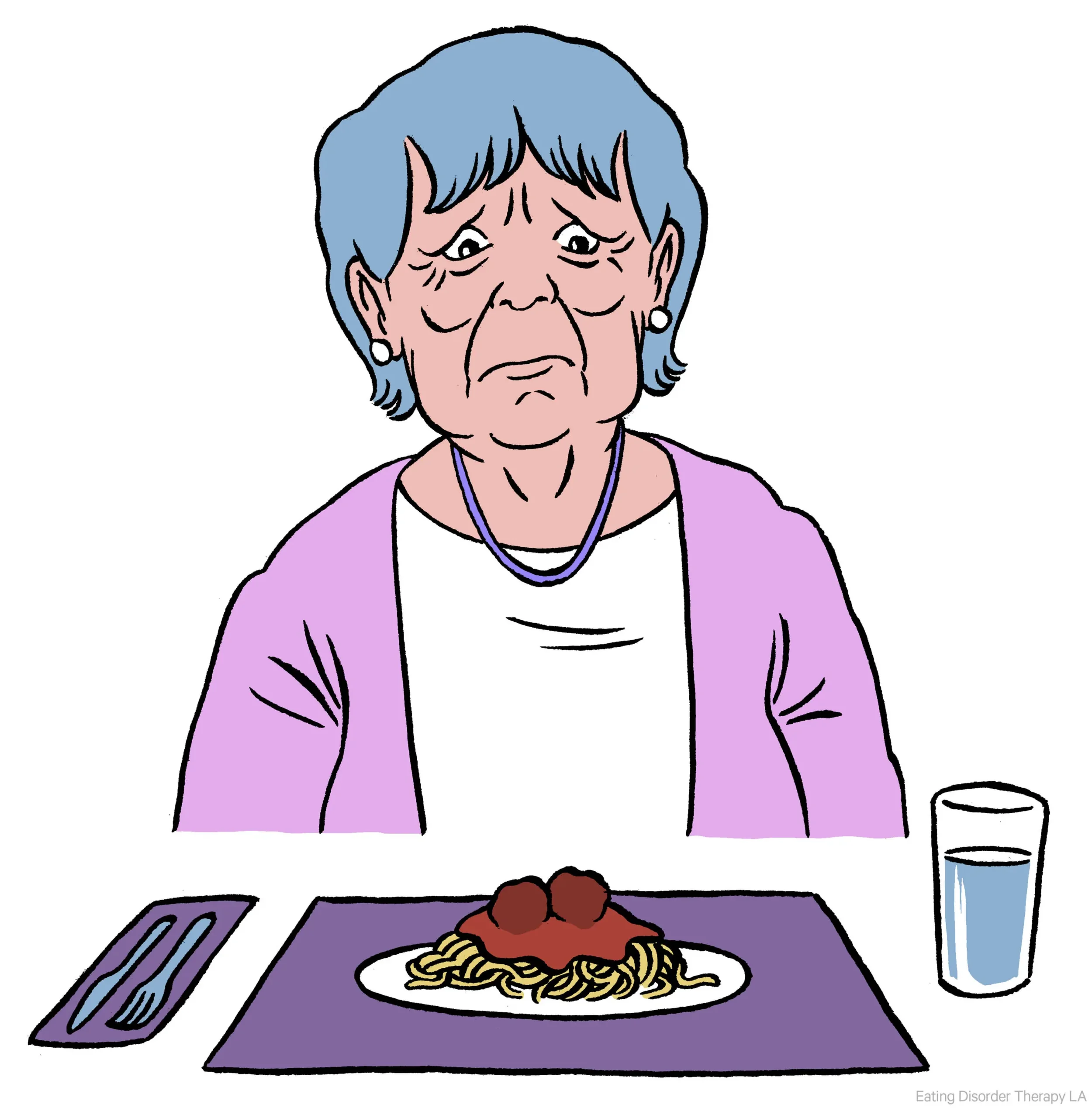
Fear of Vomiting
Fear of Choking
Fear of Needles and Blood
& More
Complex Phobias: These include more pervasive fears, such as social phobia, agoraphobia, or emetophobia, which can affect various aspects of daily life. Click to Learn more on each speciality

Real Testimonial (anonymized for privacy)
“ I’ve really noticed such a huge reduction in symptoms and for the first time in years, I feel like I can live my life like a “normal” person without constant overwhelming anxiety. It restricted and impacted nearly every aspect of my daily life, and I honestly never pictured a reality where I wouldn’t feel that way or where I wouldn't feel like 99% of the things I wanted to do I couldn't because of my emetophobia. I truly cannot stress that point enough, I really really never envisioned a world where I could be rid of that feeling, and even though it is not completely gone, how I feel now is incomparable.
I finally feel like I can control my avoidance behaviors and compulsions rather than them controlling me, and that’s such an empowering feeling. I just wanted to express my gratitude and say thank you so much. I was skeptical at first (because I didn’t think this could ever improve), but reaching out for that first consultation was genuinely one of the best decisions I’ve ever made. I’m so glad I did, you’ve truly changed my life.”

Evidence-Based Therapy for Phobias
At Still Minds Psychology, this is a collaborative, skills-based process. We’ll move at a pace that feels challenging enough to create change, but not so overwhelming that it backfires or feel impossible.
In therapy, we typically work on:
Understanding your fear cycle
You’ll learn how phobias maintained by the things we do to feel better in the short term (avoidance, asking for reassurance, trying to prevent). We’ll work together on a plan to stop avoiding and start living.
Reducing the “alarm system” intensity
We’ll build strategies to help your nervous system settle and recover more quickly, so anxiety stops dictating your day.
Changing anxious thinking
Instead of feeling helpless against anxious thoughts, we’ll practice responding to them differently so they have less power and less “stickiness”. Over time you’ll notice your head starts feeling calmer and the phobic thoughts aren’t overwhelming.
Rebuilding trust in yourself
Phobias often convinces you that you can’t handle discomfort or your triggers. Therapy helps you rebuild confidence through real experiences not just insight. We’ll practice doing things that get you out of your comfort zone, and show yourself what you’re really capable of.
Practical tools you can use immediately
You’ll leave sessions with specific approaches to practice, tailored to how your phobia shows up.
You do not have to manage this alone, and you do not have to feel this way forever. Start therapy with a clinician who understands phobias, and specializes in getting people better
-
Temporary anxiety is expected, but worsening long-term anxiety is not the goal. Exposure is done gradually and intentionally so your nervous system learns safety, not overwhelm. We don’t try to induced panic attacks, we’re trying to consistently practice getting you out of your comfort zone one step at a time.
I utilize evidence-based treatments including Cognitive Behavioral Therapy (CBT) and exposure therapy to get you symptom reduction.
We go at YOUR pace, working together. You don’t have to fight your fears alone.
-
We work with adults and young adults 14+ who feel overwhelmed by their thoughts, emotions, or anxiety—and who are ready for support that is both compassionate and effective.
-
No. If anxiety is interfering with your life, that’s enough reason to seek support.
-
That’s extremely common. We’ll go at a pace that feels manageable and respectful. Readiness often grows through therapy. We start with education, planning, and small steps, never jumping ahead of your comfort level.
-
It varies, but many clients notice meaningful change within a few months when practice is consistent.
-
That’s a completely valid concern, and one we hear often. Many of our clients have been through therapy before and felt like they only ever learned surface level coping skills or were just rehashing their problems over and over again. At Still Minds Psychology, our team is trained specifically in treating phobias. We use evidence-based methods like CBT, ACT, and exposure-based strategies that go beyond surface-level coping. Therapy with us is structured, personalized and rooted in approaches proven to help people reduce anxiety and build meaningful, lasting change.
-
Our standard rate for a one hour session is $175,
If you're using out-of-network benefits, we can provide superbills for possible reimbursement.
While therapy can be an expense, many view it as an investment. My patients find working with a highly trained specialist is still more cost effective than years spent trying to treat their condition with someone who does not understand how anxiety, OCD or phobias work. I work with people to recover and eliminate symptoms and teach you the skills to handle issues effectively once therapy is done
-
Nothing you bring into therapy will be judged. Phobias are common, human, and treatable. You are not the only one who struggles this way.
Mental Health Therapies for Phobias
The good news is that phobias are treatable, therapy with me will help you identify irrational thoughts associated with the phobia and replace them with more balanced, realistic thoughts.
I also use Exposure therapy, which is particularly effective for treating phobias. This approach involves gradual exposure to the feared object or situation in a controlled way, helping the you become desensitized to it over time. The aim is to reduce the avoidance behavior that often accompanies phobias finally start feeling safe again.
How exposure therapy works:
Systematic Desensitization: This method involves creating an anxiety hierarchy, which ranks feared situations from least to most anxiety-provoking. The individual starts by facing less threatening situations and gradually progresses to more challenging ones. For example, a person with a fear of dogs might start by looking at pictures of dogs, then move on to watching videos of dogs, and eventually work up to being in the same room as a dog.
By gradually facing the feared object or situation, you can learn that their anxiety will naturally decrease, even without engaging in avoidance behaviors.
Phobias can feel debilitating, but with the right mental health therapy, it is entirely possible to overcome them. I provide effective solutions for individuals who want to break free from the grip of irrational fears.
If you or someone you know is struggling with a phobia, seeking help from a qualified mental health professional can be the first step toward recovery. With patience, persistence, and the right therapeutic approach, overcoming phobias is not only possible—it’s achievable.


stop avoiding, start living
Work with an expert in Phobias
Still Minds Psychology
2901 W Cypress Creek Rd Suite 114, Fort Lauderdale, FL 33309